Table of Contents
- Best Kitchen Updates Before Selling: What Buyers Actually Pay For
- Kitchen Remodel Return on Investment: Real Numbers by Project
- Budget Kitchen Upgrades That Add Home Value (Under $5,000)
- Kitchen Design for Resale: Layout, Storage, and Buyer Appeal
- How to Assess Your Kitchen Before Choosing Upgrades
- Permits, Contractors, and Sequencing: What to Know Before You Start
- Frequently Asked Questions
Last Updated: October 9, 2026
Best Kitchen Updates Before Selling: What Buyers Actually Pay For
Kitchen resale value comes down to one question: will a buyer pay more for this room than you spent improving it? At Capitol Design, we have spent over 35 years guiding homeowners through that math.
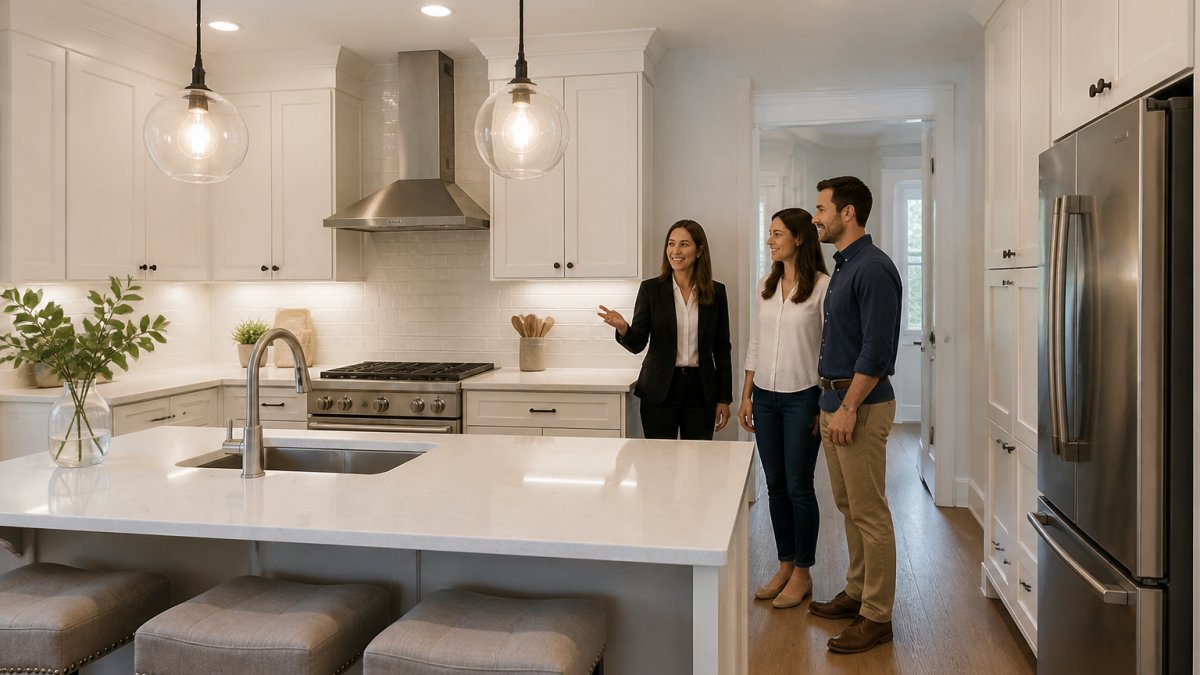
The updates that move a sale are the ones buyers see and trust immediately. A dated kitchen signals deferred maintenance across the whole house; a clean, current one signals a cared-for home.
High-Impact Upgrades That Consistently Deliver
The highest-return projects share three traits: visible, durable, and they remove a buyer objection. Cabinet refacing, neutral paint, updated hardware, new lighting, and a worn faucet and sink replacement top the list, cheap, but it reads as “move-in ready.”
- Cabinet refacing or painting instead of full replacement
- Quartz or solid-surface countertops in a light, neutral tone
- A simple subway tile backsplash
- Modern pendant lights and under-cabinet lighting
What to Skip: Low-ROI Projects Buyers Ignore
Structural changes rarely pay back before a sale. Moving plumbing or electrical adds cost and permit time without a matching price bump, and personal finishes like bold tile or custom cabinetry narrow your buyer pool.
Over-improvement is the most common mistake we see. If your kitchen becomes the most expensive on the block, comparable sales will cap your price no matter how nice the finishes are. Check market comparables before you commit to a luxury tier.
Kitchen Remodel Return on Investment: Real Numbers by Project
Kitchen remodel return on investment is not a single number. It shifts with project scope, price bracket, and how soon you sell.
Here is how we group projects by likely payback. Use it as a planning filter, not a guarantee.
| Project Scope | Typical Cost Range | Typical Payback | Best For | Time to Complete |
|---|---|---|---|---|
| Cosmetic refresh | $1,000-$5,000 | Highest (often 80-100%+) | Selling within a year | 1-2 weeks |
| Mid-range remodel | $25,000-$75,000 | Moderate to high (roughly 50-80%) | Selling in 1-3 years | 4-8 weeks |
| Major remodel | $75,000-$150,000 | Lower (roughly 40-60%) | Staying 5+ years | 3-6 months |
| Luxury remodel | $150,000+ | Lowest before sale | Long-term owners | 6+ months |
Those ranges are planning brackets, not promises.
The pattern is consistent: the less you spend, the higher the share you tend to recover.
The Cost-Recovery Math, Project by Project
Cost recovery is simple arithmetic: (increase in sale price) / (amount spent). Two sellers can spend the same $30,000 and recover very different shares, because the increase is capped by the priciest comparable sale nearby.
- Cabinet refacing or painting. A fraction of the cost of replacement, and buyers read it as a new kitchen. Highest recovery of any cabinet option before a sale.
- Countertop replacement. Quartz and solid-surface in a light neutral tone recover well because they remove a visible objection. Natural stone with heavy veining is more polarizing.
- Backsplash. A simple subway tile or a clean slab-look panel is inexpensive and photographs well. Bold patterns shrink your buyer pool.
- Appliance package. Matching finishes matter more than brand tier. A mismatched set reads as deferred maintenance even if every unit works.
How to Estimate Your Local ROI
Local data beats national averages every time. National cost reports are a starting point, but your return depends on your neighborhood, price bracket, and buyer demand.
A practical method:
- Pull recent comparable sales in your subdivision or a one-mile radius, sold within the last six months.
- Split them into two groups: homes that sold with an updated kitchen and homes that sold with a dated one.
- Compare price per square foot between the two groups, not raw sale price, so you are comparing like-sized homes.
- Multiply the per-square-foot gap by your home’s square footage. That figure is your realistic ceiling for kitchen spending.
- Subtract your project cost. If the result is negative or near zero, scale the project down.
Ask a local real estate agent to run this with you. They see the same comparables a buyer’s agent uses to justify an offer, and know which updates buyers in your price bracket want right now.
When ROI Is the Wrong Question
If you plan to stay five years or more, resale value stops being the deciding factor. A kitchen you use daily is a quality-of-life purchase, and the enjoyment is part of the return. The mistake is spending like a long-term owner when you are selling in eighteen months.
Budget Kitchen Upgrades That Add Home Value (Under $5,000)
Budget kitchen upgrades that add home value focus on surfaces and light, not structure. You can change how a kitchen feels without touching a wall.
- Paint cabinets and walls in warm neutrals
- Swap cabinet hardware for modern pulls
- Replace the faucet and add a new sink
- Install under-cabinet LED lighting
Staging works on the seller’s side too. Clearing every counter before photos makes the kitchen read as larger. Buyers judge counter space by what they can see, not by what exists.
Kitchen Design for Resale: Layout, Storage, and Buyer Appeal
Kitchen design for resale means designing for the next owner, not yourself. Buyers lean toward open layouts, generous storage, and low-maintenance finishes. A functional kitchen with clear workflow beats a beautiful one that is awkward to cook in.
Most guides stop there. What they skip is how to look at your own kitchen the way a buyer will, and which layout and storage problems are worth fixing versus pricing around.
The Workflow Triangle: Sink, Stove, Refrigerator
The workflow triangle is the distance between your sink, stove, and refrigerator. When those three points sit close together without crowding, cooking feels effortless; when scattered, every meal becomes a series of trips.
Contact Us For A No-Cost, No-Obligation Consultation →
Buyers may not name this triangle, but they feel it the moment they walk through. Keep the three points within easy reach and walkways clear of blocking doors.
A few concrete checks:
- Walkways. Aim for at least 42 inches between opposing counters in a one-cook kitchen, and 48 inches if two people will work side by side. Narrower than that and the kitchen feels cramped even when it is not.
- Door swing. A refrigerator door or dishwasher door that blocks a walkway when open is a daily annoyance a buyer will notice during a showing.
- Landing space. Every major appliance needs counter space beside it. A range with no counter on either side is a design flaw, not a preference.
- Work aisle vs. traffic aisle. If the path from the back door to the living room runs straight through the cooking zone, the kitchen will always feel crowded. That is a layout problem, not a storage problem.
Storage That Reads as Value
Storage sells because buyers can picture their own lives in the space, but not all storage is equal. What reads as value in a listing photo and walkthrough:
- Deep drawers below the counter instead of cabinets with doors. Drawers are easier to open, easier to see into, and read as more modern.
- A pantry, even a shallow one. Buyers scan for the word ‘pantry’ in listing descriptions.
- Pull-out shelves and drawer organizers. Inexpensive, and they make existing cabinets feel custom.
- Vertical dividers for sheet pans and cutting boards, which turn a wasted cabinet into usable space.
How to Assess Your Own Kitchen Like a Buyer
This is the step most sellers skip, and it prevents wasted spending. Before choosing a single upgrade, run this assessment.
- Note the age of cabinets, countertops, and appliances. Anything over 15-20 years old reads as dated in photos, regardless of condition.
- Check for water damage, soft spots, or failing seals. These are the issues that turn into inspection findings and price negotiations.
- Test every light fixture and outlet. A dead outlet in a kitchen is a red flag a buyer’s inspector will write up.
- Measure your counter space and storage. Compare against the homes you are competing with, not against your own past kitchens.
- Photograph the room and view it as a stranger would. Photos strip out familiarity and show you what a buyer sees in the first ten seconds.
- Ask an agent which updates buyers in your area expect. This is the step that keeps you from over-spending on the wrong thing.
Then sort what you find into three buckets:
- Must fix. Safety issues, code violations, water damage, non-working appliances. These are not optional, and they are not upgrades.
- Should fix. Dated but functional surfaces, worn flooring, mismatched hardware. These are where your budget does the most work.
- Price around. Layout problems that would require moving plumbing or walls. Unless you are staying long-term, the cost usually exceeds the price bump.
Regional and Market Differences Change the Answer
A kitchen update that pays off in a fast-moving market may not in a slower one, and buyer expectations shift with price bracket. Where inventory is tight and homes sell in days, buyers tolerate dated finishes; where homes sit for months, the same kitchen becomes a buyer’s negotiating tool.
Climate and housing stock matter too. In older housing stock, buyers expect some original features and price accordingly; in newer construction areas, an outdated kitchen stands out more sharply.
The fastest way to waste money on a pre-sale kitchen is to upgrade something buyers were not going to object to. Assess first, then spend. Fix what is broken, refresh what is visibly dated, and price around what would require moving walls.
How to Assess Your Kitchen Before Choosing Upgrades
Assessing your kitchen before you spend a dollar is the step most sellers skip. Start with age and condition, then work outward to layout and light.
- Note the age of cabinets, countertops, and appliances
- Check for water damage, soft spots, or failing seals
- Test every light fixture and outlet
- Measure your counter space and storage
- Photograph the room and view it as a stranger would
- Ask an agent which updates buyers in your area expect
That last step matters most. Regional and market differences change the answer: an update that pays off in a fast-moving market may not in a slower one, and expectations shift with price bracket.
Permits, Contractors, and Sequencing: What to Know Before You Start
Permits, code compliance, and contractor selection decide whether your project adds value or creates a liability.
Sequence projects by visibility and disruption. Do cosmetic work first, then fixtures, then anything requiring a permit. This keeps the kitchen usable longer and lets you stop spending if your sale timeline moves up.
Hire contractors with verifiable licenses, insurance, and references from similar projects. Get the scope, timeline, and payment schedule in writing. A clear contract protects both sides.
A kitchen that sells is one that removes doubt. Buyers want to walk in and see a space that works, not a project they will inherit.
Contact Capitol Design for a no-cost, no-obligation consultation and find out which updates will maximize your kitchen resale value.
Frequently Asked Questions
What kitchen upgrades add the most resale value?
Minor cosmetic updates deliver the highest return. Cabinet refacing, new hardware, and a fresh coat of neutral paint typically recoup 70-80% of cost. Upgrading to energy-efficient appliances and modern lighting also appeals to buyers. Major structural changes like removing walls rarely pay back fully. Focus on what buyers see first: clean lines, durable surfaces, and a layout that works for daily life.
Is it worth remodeling a kitchen before selling a house?
It depends on your timeline and local market. A minor refresh (paint, hardware, lighting) almost always pays off. A full remodel only makes sense if your kitchen is severely outdated and comparable homes in your area have updated kitchens. In competitive markets, a remodeled kitchen can speed up the sale and attract higher offers. Consult a local agent to compare your kitchen to recent sales.
Should I replace kitchen cabinets or refinish them before selling?
Refinishing or refacing is usually the smarter choice for resale. It costs significantly less than full replacement and still gives a like-new look. Buyers care about function and appearance, not whether the cabinet boxes are new. If your cabinets are structurally sound, refacing with new doors and drawers delivers strong visual impact. Full replacement only makes sense if the layout is dysfunctional or cabinets are damaged.
Do new countertops increase a home’s resale value?
Yes, new countertops are one of the most reliable upgrades for resale. Quartz and granite remain top choices for buyers because they are durable and low-maintenance. Laminate or butcher block can work in budget renovations but may not impress in higher-priced neighborhoods. The key is matching the countertop material to your home’s price point. Over-improving with luxury stone in a modest home rarely pays back.